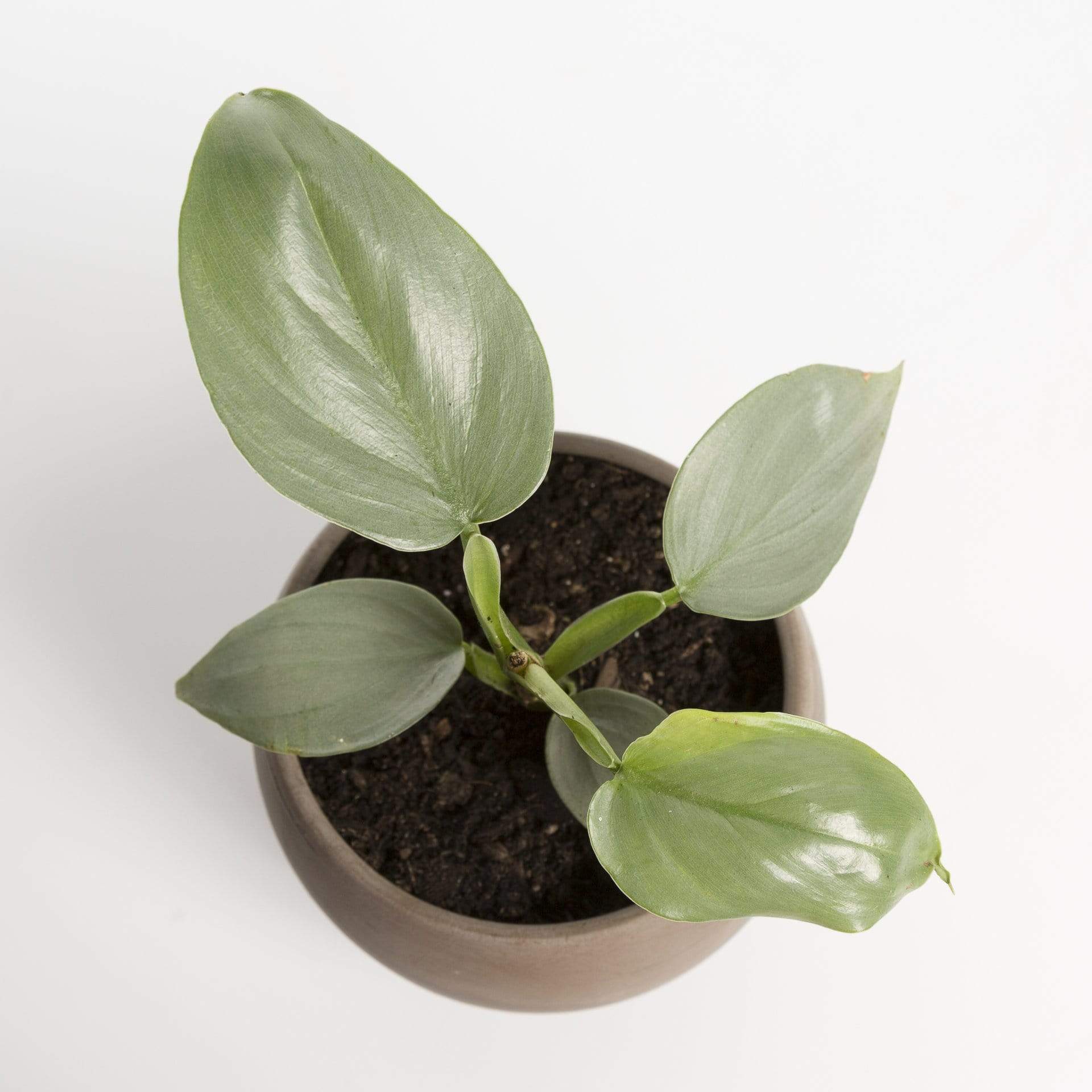
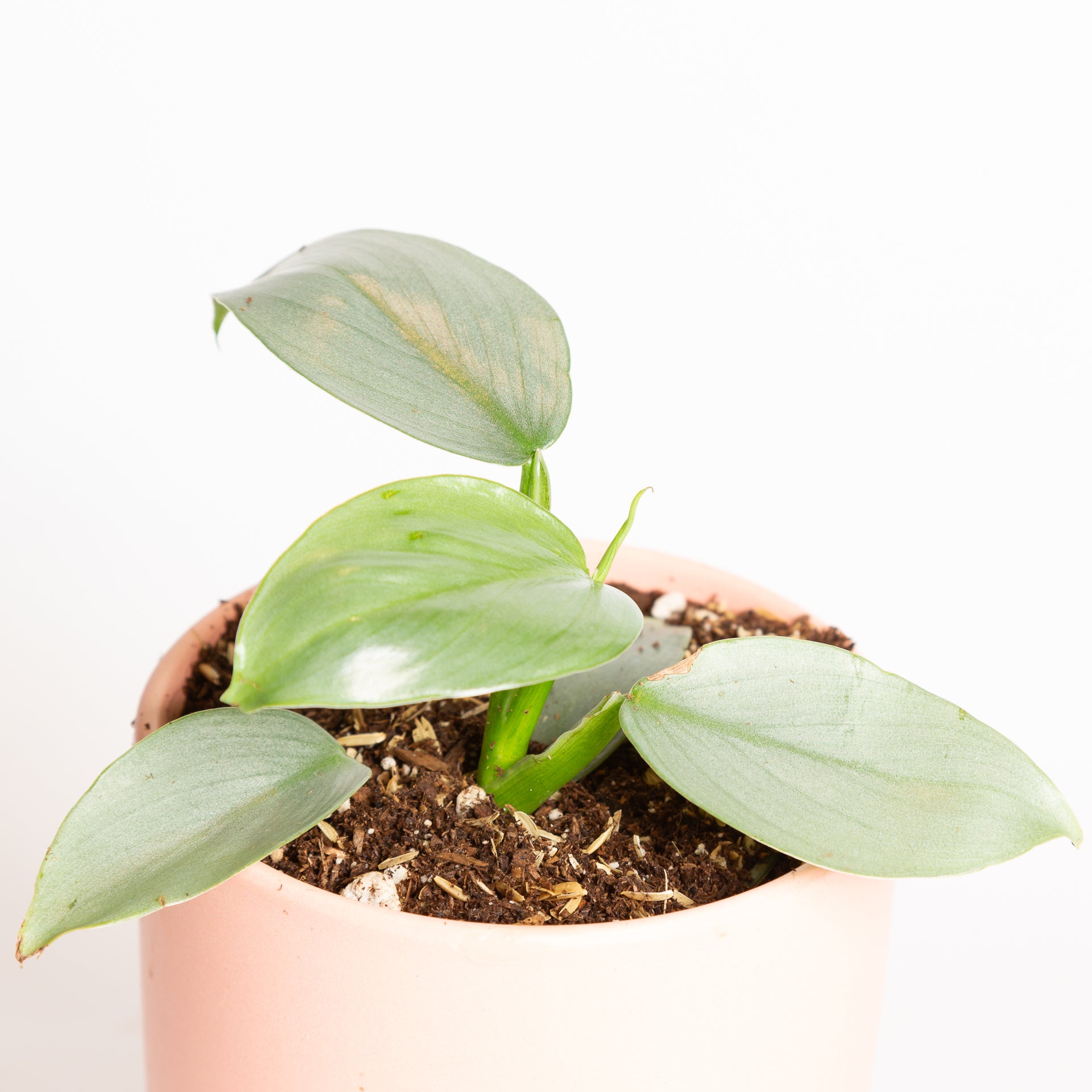
Urban Sprouts Complete Guide to Pothos (Epipremnum) Care
Pothos Care At A Glance
Sunlight Requirements: Thrives in bright, indirect light but tolerates a range from low to bright indirect.
Watering Requirements: Water when soil is ½ to ¾ of the way dry. Tolerates full dry-out.
Is this plant pet-friendly? No – can cause oral irritation and swelling. Keep out of reach of curious hands and paws.
Communication Style: Leaves curl and droop when thirsty or stressed; yellow or brown leaves appearing from the bottom up signal prolonged stress.
Caretaker Fit: Forgiving of new caretakers; great for busy plant lovers or those who prefer weekly care.
About Pothos
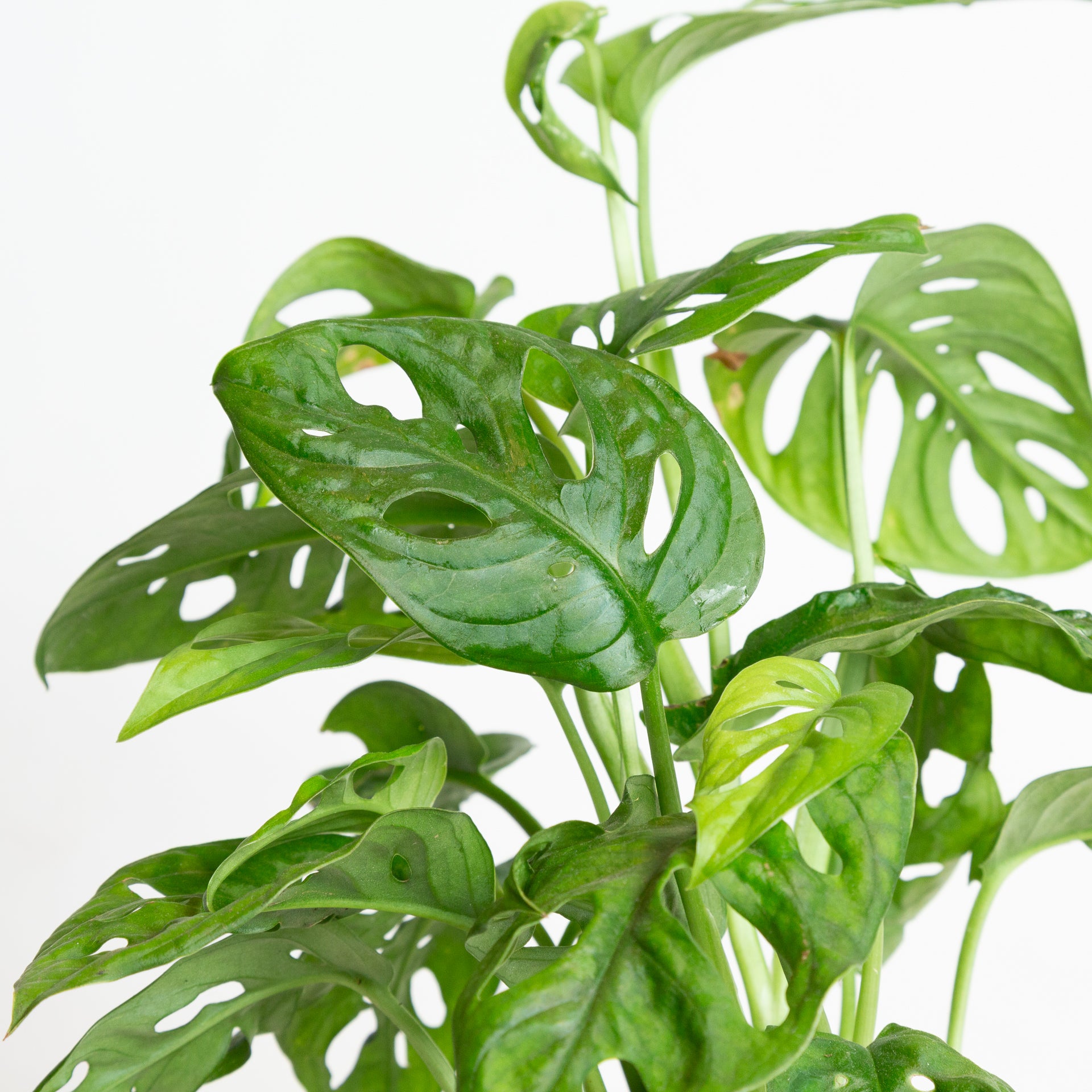
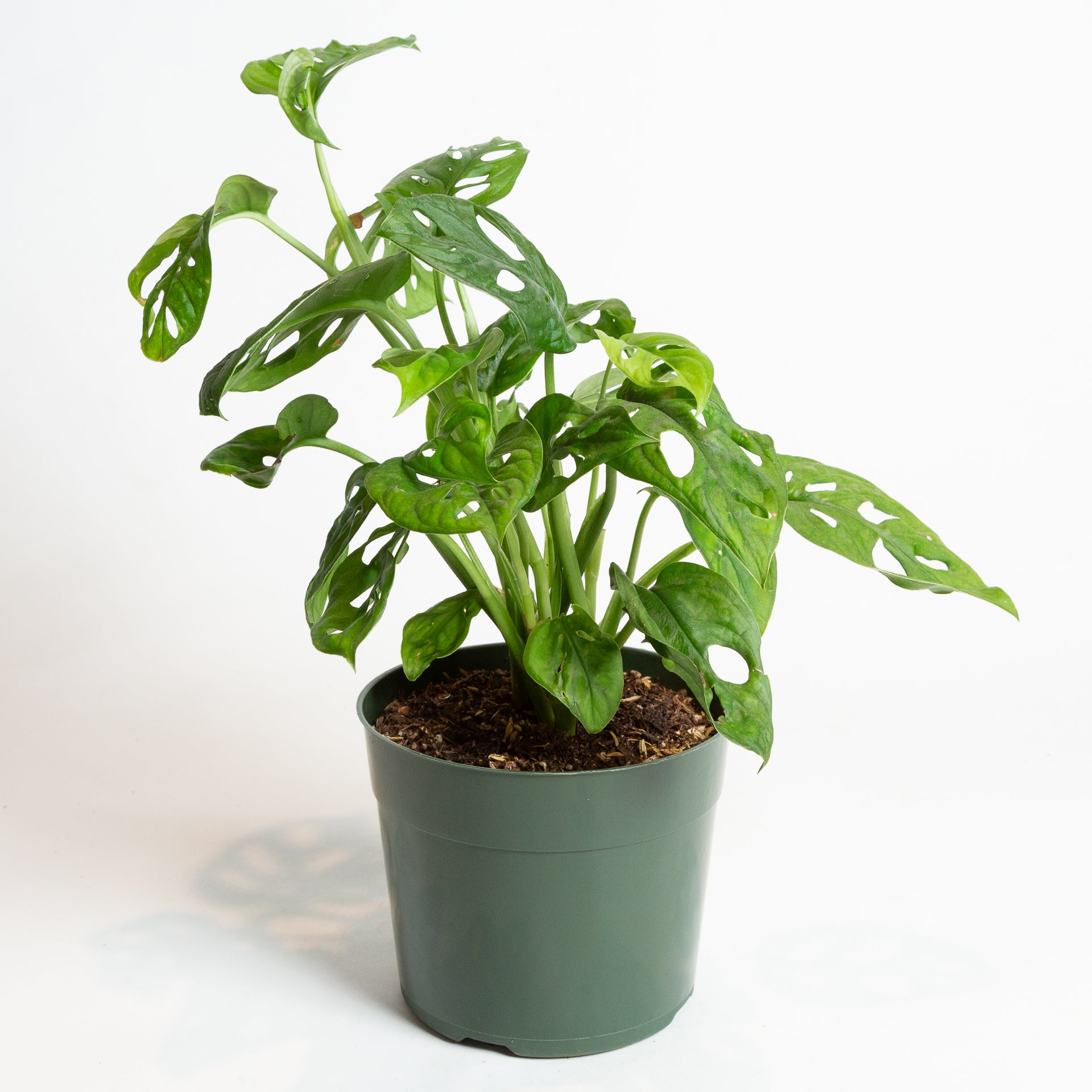
There’s a reason tthe beautiful and resilient Pothos (Epipremnum) can be found in almost any plant collection. Their glossy, heart-shaped leaves come in a variety of shades and variegation patterns and can even fenestrate in ideal conditions. They also grow quickly and are easy to propagate, making them incredibly satisfying additions to any plant lover’s home.
While Pothos is a real genus, the plants commonly called pothos are actually classified as Epipremnum. It’s common to see their vines cascading gracefully from hanging pots, but in the wild, they attach themselves to trees, making them great candidates to train on a moss pole.
Pothos have gathered many nicknames over time, including Hunter’s Plant, Arum Ivy, and Taro Vine. You may have also heard it called “Devil’s Ivy,” a nickname that refers to how hard it is to kill. In China, Taiwan, and Thailand, it’s known as a “money plant” and is kept in homes and shops where it’s believed to attract positive energy and financial gain.
What Should I Plant My Pothos In?
Plant your Pothos in a slip-cast indoor ceramic pot with a drainage hole that’s about two inches larger than the root mass. Ceramic pots help insulate the roots from temperature and moisture extremes, making it easier to keep your plant healthy.
The right soil blend also supports a thriving plant by providing the proper balance of nutrients, moisture, and airflow.
How Often Should I Water My Pothos?
Check the soil regularly with your finger or a wooden chopstick. Pothos should be watered when the soil is ½ to ¾ of the way dry, though it can tolerate the occasional full dry-out. Depending on your setup and time of year, you can expect to water your plant every 5 to 14 days.
How Much Light Does My Pothos Need?
Pothos thrive in bright, indirect light. Their leaves can grow large and may even fenestrate like Monstera in the right conditions. They can also tolerate low-light settings if needed.
Hanging your Pothos near an east-facing window works well, or you can use distance or a sheer curtain to soften bright light from west- or south-facing windows. North-facing windows or rooms without direct sunbeams will also work—just keep in mind that your plant’s growth may look different.
What Is the Best Temperature for Pothos?
Pothos are tropical plants and do best in temperatures between 65–80°F. They can be sensitive to the temperature swings caused by air conditioning vents, heaters, or frequently opened doors.
Ongoing Care for Pothos
What Do I Need to Know Before Re-potting or Propagating My Pothos?
One reason Pothos are a classic first plant is that they’re among the easiest to propagate at home. Simply cut a stem below a node and submerge the node in water until new roots begin to grow. Once the new roots have reached a few inches in length your new pothos is ready to plant in soil.
Their roots aren’t overly sensitive, making them forgiving if you want to try your hand at re-potting at home.
What Are Some Signs My Pothos Needs Help?
Keep an eye out for curling or drooping leaves—these are early signs your plant is thirsty or the roots are stressed. Once yellow or brown leaves start appearing from the bottom up, it means symptoms have progressed. At that point, it’s best to take a look at the roots to get a clearer idea of what your plant needs, either by scheduling an appointment at the clinic or remotely.
What Ongoing Care Will My Pothos Need?
We recommend scheduling a yearly root exam for your Pothos, especially if yellowing or curling leaves persist. Regular maintenance like this helps you catch issues early and ensures your plant has the space and resources it needs to keep growing strong.
Shop Pothos
Need help with your Chinese Evergreen?
We're here to help!
Book a virtual consultation with one of our plant clinicians or visit out plant clinic for hands on help.